
Experienced Attorneys
Committed to Protecting the
Rights of Injured Workers
Committed to Protecting the
Rights of Injured Workers



A seaman’s injury while working aboard a vessel may be eligible for a Jones Act claim. However, to file one successfully, it’s critical to understand how the Jones Act statute of limitations applies and what legal steps to take before the deadline expires.
If you’re an injured seaman, missing the filing deadline can time-bar your case, meaning you can no longer seek compensation for your injury, even if your employer was negligent. Experienced Jones Act attorneys at IL Work Injury Lawyer can help protect your rights. Contact us to start the legal process today!
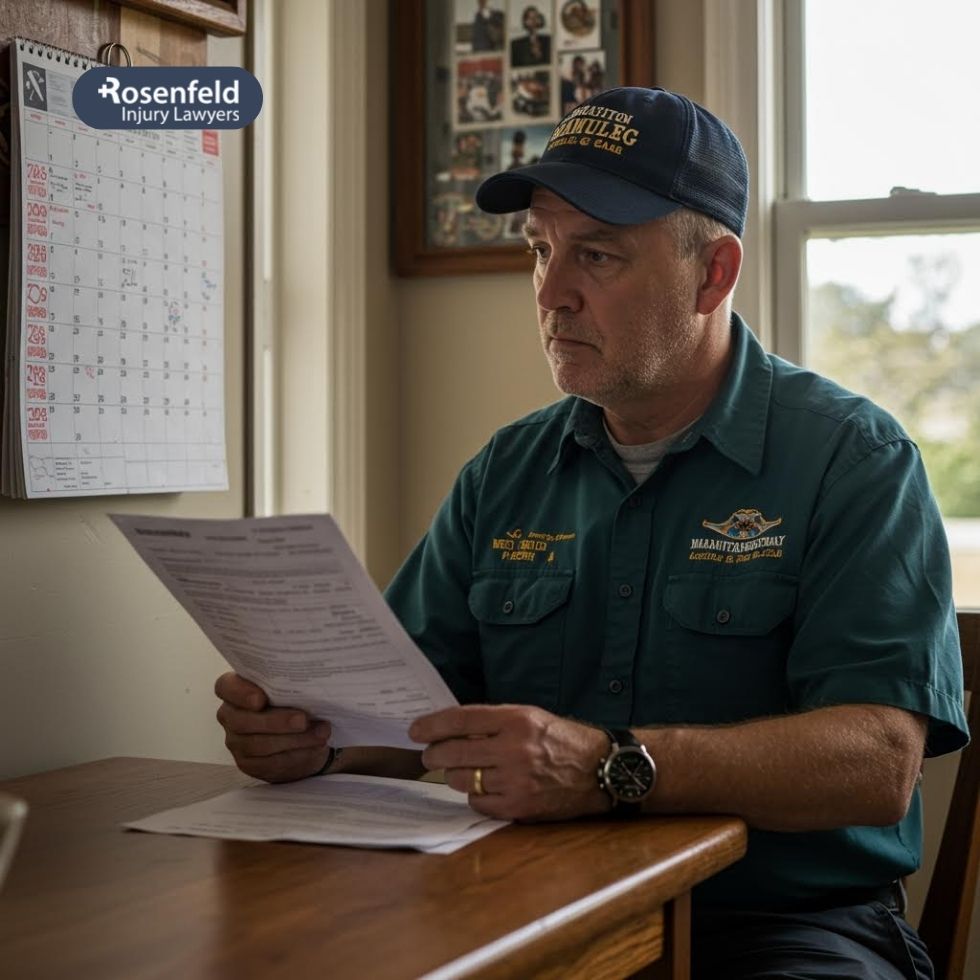
The Jones Act, formerly known as the Merchant Marine Act provisions now codified at 46 U.S.C. § 30104, allows maritime workers to sue their employer for personal injury if negligence contributed to the accident. The act applies specifically to individuals who qualify as “seamen,” meaning those who spend a significant portion of their time working aboard a vessel in navigable waters.
Under the Jones Act, an injured worker may seek compensation for medical expenses, lost wages, pain and suffering, mental anguish, and reduced earning capacity. The Jones Act incorporates the Federal Employers’ Liability Act (FELA), including its three-year limitations period.
If you need to determine whether you qualify as a seaman, see our page on who qualifies as a seaman.
The Jones Act statute of limitations sets a strict deadline for filing a claim. In most cases, you have three years from when the cause of action arose to file a Jones Act claim. This three-year period is supported by 46 U.S.C. § 30106 and the FELA provisions incorporated through 46 U.S.C. § 30104. It applies uniformly across the United States, including Illinois.
Filing generally means commencing a lawsuit in state or federal court before the applicable deadline. Reporting an injury to your employer, receiving maintenance and cure, or discussing the claim with an insurer does not by itself stop the limitations period.
Failing to act within this time limit typically means the case is time-barred, even if the employer’s negligence caused the injury.
For example, if a deckhand is injured on March 15, 2026, the three-year deadline would generally fall on March 15, 2029. The exact deadline can depend on the facts and type of claim.
Different maritime workers and claims can have different filing deadlines. This table provides a general overview of the most important deadlines.
| Claim | General deadline | When the clock starts |
| Jones Act negligence | 3 years | When the cause of action arose |
| Unseaworthiness/general maritime injury | 3 years | When the cause of action arose |
| Maintenance and cure | No fixed statute; laches may apply | Depends on the facts |
| Jones Act wrongful death | Generally 3 years | Generally from the date of death |
| DOHSA | 3 years | When the cause of action arose |
| LHWCA injury claim | 1 year | Generally from injury or qualifying awareness |
| LHWCA occupational disease | 2 years | From qualifying awareness |
| Claim against the United States | 2 years | When the cause of action arose |
| Vessel limitation action | Court-set claims deadline | Deadline established by the limitation proceeding |
| Illinois workers’ compensation | 3 years, or 2 years after last payment | Accident or qualifying last payment |
These are general outer limits, not a substitute for calculating the deadline for a particular claim. The facts, type of claim, and applicable law can change the date.
No. Not all maritime workers are covered by the Jones Act. Only those who qualify as “seamen” under the act may pursue a Jones Act case. Other employees are covered by other types of maritime injury claims.
If you’re unsure whether your role qualifies under the Jones Act, you should consult our attorneys as soon as possible to determine the correct classification.
The Longshore and Harbor Workers’ Compensation Act (LHWCA) provides benefits to maritime employees not classified as “seamen.” These workers include those involved in shipbuilding, cargo handling, and marine terminal operations.
The LHWCA generally requires written notice of an injury within 30 days under 33 U.S.C. § 912 and a claim within one year under 33 U.S.C. § 913, subject to statutory exceptions. Occupational disease claims can have different timing rules.
Unlike the Jones Act, the LHWCA operates more like state statutes for workers’ compensation, offering set benefits for medical expenses, lost wages, and injury. It doesn’t require proving negligence, but it also doesn’t allow for non-economic damages.
The Death on the High Seas Act (DOHSA) applies when a death occurs more than three nautical miles from U.S. shores. This statute allows surviving family members to bring a claim against a vessel owner, operator, or employer when the death was caused by wrongful acts, neglect, or default occurring during maritime activity.
DOHSA is not limited to fatal occupational injuries. It can apply to deaths caused by wrongful acts occurring beyond three nautical miles from U.S. shores. Claims under DOHSA generally have a three-year deadline under 46 U.S.C. § 30106.
Rooted in centuries-old maritime tradition, general maritime law allows maritime workers to pursue claims such as unseaworthiness, where a vessel’s condition or equipment creates an unsafe working environment.
An injured seaman may be entitled to maintenance and cure, which covers daily living expenses and medical treatment until maximum recovery is reached. These rights exist independently of whether negligence is proven and apply even if the injury was not the employer’s or crew’s fault.
Unseaworthiness and other general maritime personal-injury claims generally have a three-year period under 46 U.S.C. § 30106.
Maintenance and cure does not have a fixed statute of limitations like a Jones Act negligence claim. Instead, courts may apply the equitable doctrine of laches when a seaman unreasonably delays bringing a claim and the delay prejudices the employer. Courts may use the three-year maritime period as a benchmark, but the analysis depends on the facts.
Importantly, receiving maintenance and cure does not extend the deadline for filing a separate Jones Act or unseaworthiness lawsuit. A seaman should not assume the filing deadline remains open simply because maintenance and cure payments are continuing.
In some situations, the full extent of the injury may not be known until weeks or months after the accident occurred. For a traumatic injury, however, the limitations period generally does not wait until the worker knows how serious the injury will ultimately become. The accident date may control even when the injury later proves more serious than initially believed.
For latent or cumulative injuries, courts may apply a discovery rule when the worker knew or should have known of the injury and its connection to the work. This can apply to conditions such as occupational hearing loss, chemical exposure, or cumulative back and shoulder injuries, and the relevant date may occur before a formal diagnosis.
Courts have addressed discovery-rule issues in cases including Urie v. Thompson and United States v. Kubrick. Because the starting date is fact-specific, injured workers should not assume that waiting for a diagnosis automatically extends the deadline.
| Generally starts with the accident | May involve a later discovery date |
| Falls on an icy barge deck | Occupational hearing loss |
| Line-handling injuries | Chemical or benzene exposure |
| Crush injuries between barges | Cumulative back or shoulder damage |
Courts determine the applicable accrual date on the facts of each case. Treating the accident date as the safe deadline is generally prudent.
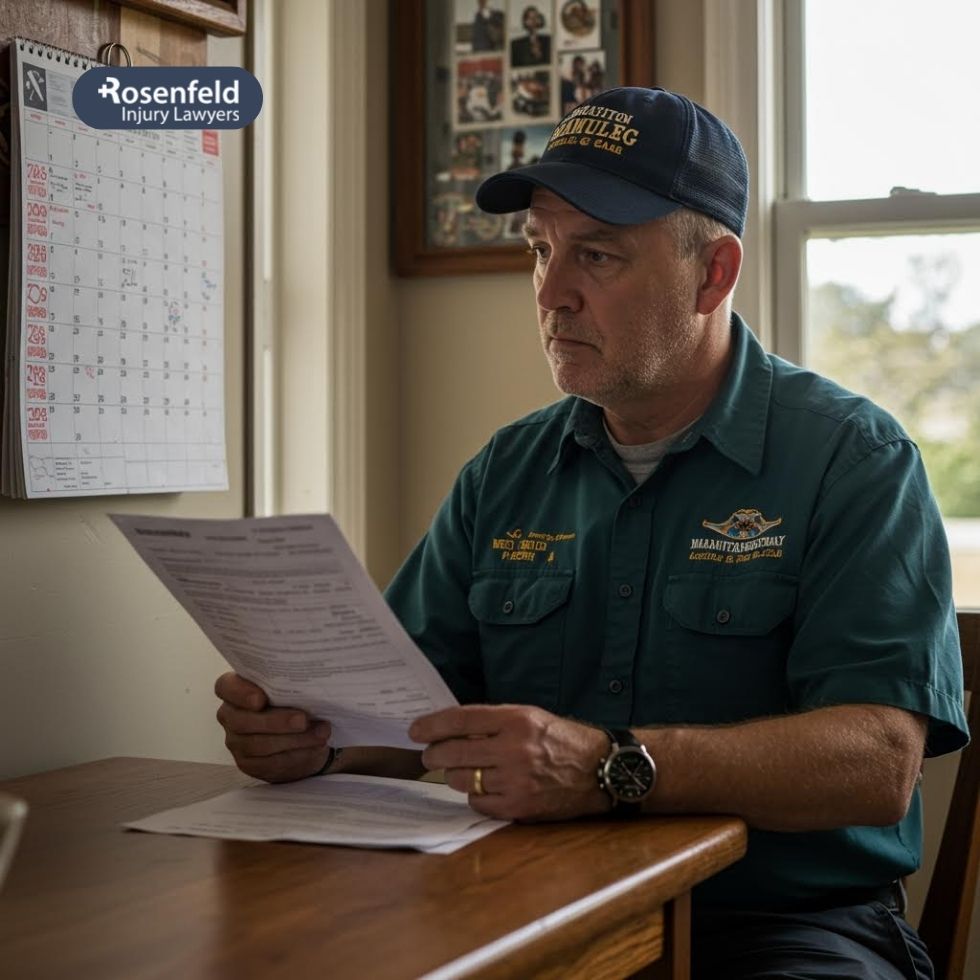
An unseaworthiness claim generally has a three-year period under 46 U.S.C. § 30106. Claims involving other vessel owners, dock or terminal owners, or equipment manufacturers may also be subject to the three-year maritime period, depending on the claim.
Claims involving the United States can have a shorter deadline. Under 46 U.S.C. § 30905, a civil action under the Suits in Admiralty Act generally must be brought within two years after the cause of action arose. This can matter to inland crews involved in accidents with government vessels or at qualifying federal facilities.
For accidents involving barges or towboats, see our barge and towboat accident claims page for more information.
A Jones Act wrongful death claim generally has a three-year limitations period, but confirm the applicable accrual rules for the specific case. DOHSA applies to qualifying deaths beyond three nautical miles from U.S. shores and generally carries a three-year maritime limitations period.
For more information, see our Jones Act wrongful death claims page or learn who can file a Jones Act wrongful death claim.
Longshore and harbor workers: The LHWCA generally requires written notice within 30 days and a compensation claim within one year, subject to statutory exceptions. Occupational disease claims may have a two-year filing period after the employee becomes aware of the condition.
Illinois river terminal and other land-based workers: If an employee is outside the Jones Act and LHWCA, Illinois workers’ compensation deadlines may apply. Under 820 ILCS 305/6, an application generally must be filed within three years after the accident when no compensation has been paid, or within two years after the last compensation payment when compensation has been paid.
Workers on the Illinois River, Mississippi River, and Great Lakes: Whether a worker qualifies as a seaman can determine which law and deadline applies. Learn more about seaman status for Illinois River, Mississippi, and Great Lakes workers. You can also review the Illinois workers’ compensation deadline.
Extensions or tolling are limited and highly fact-specific. Injured workers should plan around the applicable deadline rather than assume an exception will apply.
Courts may recognize equitable doctrines in limited circumstances, including equitable estoppel where an employer’s conduct caused a claimant to delay, or tolling under particular circumstances. Cases such as Glus v. Brooklyn Eastern District Terminal and Burnett v. New York Central R. Co. address equitable principles in federal limitations law. A bankruptcy stay can also affect federal deadlines.
Do not assume the following actions stop the Jones Act filing deadline:
The Jones Act does not generally provide a blanket minority exception to its limitations period. Because tolling and equitable estoppel depend heavily on the facts, a lawyer should review any potential exception before relying on it.
A vessel owner may bring a limitation-of-liability action within six months after receiving written notice of a claim under 46 U.S.C. § 30529. The court can then establish a deadline for claimants to file their claims in that proceeding.
That court-ordered deadline can arrive before the ordinary three-year period expires. If you receive a court notice concerning a vessel limitation proceeding, do not wait for the ordinary Jones Act deadline. Have the notice reviewed promptly.
Waiting can make a maritime injury claim harder to investigate, even when the statutory deadline has not yet expired. Crew members may rotate between vessels or employers, vessels may move to other fleets, and physical conditions can change after repairs. Deck logs, maintenance records, AIS information, and other evidence can also become harder to obtain.
For qualifying marine casualties, Coast Guard reporting requirements may require a CG-2692 casualty report, which can be important to the factual record.
To protect your claim:
The time needed to resolve a Jones Act case varies by the facts, evidence, medical treatment, and negotiations. For more information, see how long a Jones Act case takes to settle and Jones Act settlements.
In most cases, you must file a Jones Act injury claim within three years after the cause of action arose. The Jones Act incorporates FELA’s three-year limitations period. The exact deadline depends on the type of claim and when the cause of action accrued, so you should calculate the date based on the specific facts.
No. Reporting an injury to an employer does not generally stop the Jones Act filing deadline. Likewise, receiving maintenance and cure, speaking with an insurer, or participating in settlement discussions does not automatically preserve a claim. A lawsuit generally must be filed before the applicable limitations period expires.
Maintenance and cure does not have a fixed statute of limitations in the same way a Jones Act negligence claim does. Instead, courts may apply laches to an unreasonably delayed claim. Continuing to receive maintenance and cure does not extend the separate deadline for filing a Jones Act or unseaworthiness lawsuit.
Possibly, but exceptions are narrow and fact-specific. In limited circumstances, equitable estoppel, tolling, or other legal doctrines may affect the deadline. You should not assume an exception applies simply because more than three years have passed. Have a maritime injury attorney review the claim and timeline as soon as possible.
The Jones Act is federal law, so the basic three-year limitations rule is not changed simply because an eligible seaman works in Illinois or another state. However, different maritime claims, government defendants, LHWCA claims, and state workers’ compensation claims can have different deadlines.
At IL Work Injury Lawyer, we help injured workers navigate the complexities of Jones Act claims and other maritime injury cases. We understand the unique challenges of pursuing legal action in the maritime industry and will help you avoid missing critical deadlines, including the Jones Act statute of limitations.
The same federal deadline applies to eligible seamen working on vessels in Illinois, the Great Lakes, and inland rivers, but other maritime workers may have different deadlines.
If you or a loved one has been hurt while working at sea or on inland waters, contact a Chicago work accident lawyer today for a free consultation. Our team can review the facts, identify the applicable filing deadline, and explain your options.
This page provides general information, not legal advice. Maritime deadlines depend on the facts and applicable law, so an attorney should review your individual circumstances before you rely on a particular deadline.
 Legally Reviewed By
Attorney Jonathan Rosenfeld
Content legally reviewed by Jonathan Rosenfeld The information on this page has been legally reviewed by Attorney Jonathan Rosenfeld, founder and managing partner of Rosenfeld Injury Lawyers LLC. With extensive experience representing injured workers across Illinois, Mr. Rosenfeld is dedicated to helping workplace accident victims pursue the maximum compensation available under the law. His extensive legal knowledge and commitment to client advocacy ensure that the information provided is accurate, reliable, and aligned with current legal standards.