
Experienced Attorneys
Committed to Protecting the
Rights of Injured Workers
Committed to Protecting the
Rights of Injured Workers



Backhoe accidents can cause serious injuries when ground workers are struck within the machine’s swing zone, equipment rolls over, trenches collapse, or underground or overhead utility lines are struck. A backhoe accident lawyer can investigate the equipment, worksite, safety procedures, and potential third-party liability to determine what claims may be available under Illinois law.
Backhoe accidents are a serious hazard on construction sites and farms across Illinois. These powerful machines are essential for digging, lifting, and moving heavy materials, but when something goes wrong, the results can be devastating. At IL Work Injury Lawyer, we help injured workers and their families understand their rights and fight to recover the full compensation they’re owed.
At IL Work Injury Lawyer, we have a proven track record of securing millions for clients injured by construction equipment, heavy machinery, and farm vehicles across Illinois.
These prior results involve different types of workplace and equipment-related injuries and are not necessarily representative of a backhoe accident claim. Each case depends on its specific facts, applicable law, liability evidence, and damages.
Prior results disclaimer: Past results do not guarantee or predict a similar outcome in another case. Every case is different and must be evaluated based on its specific facts and circumstances.
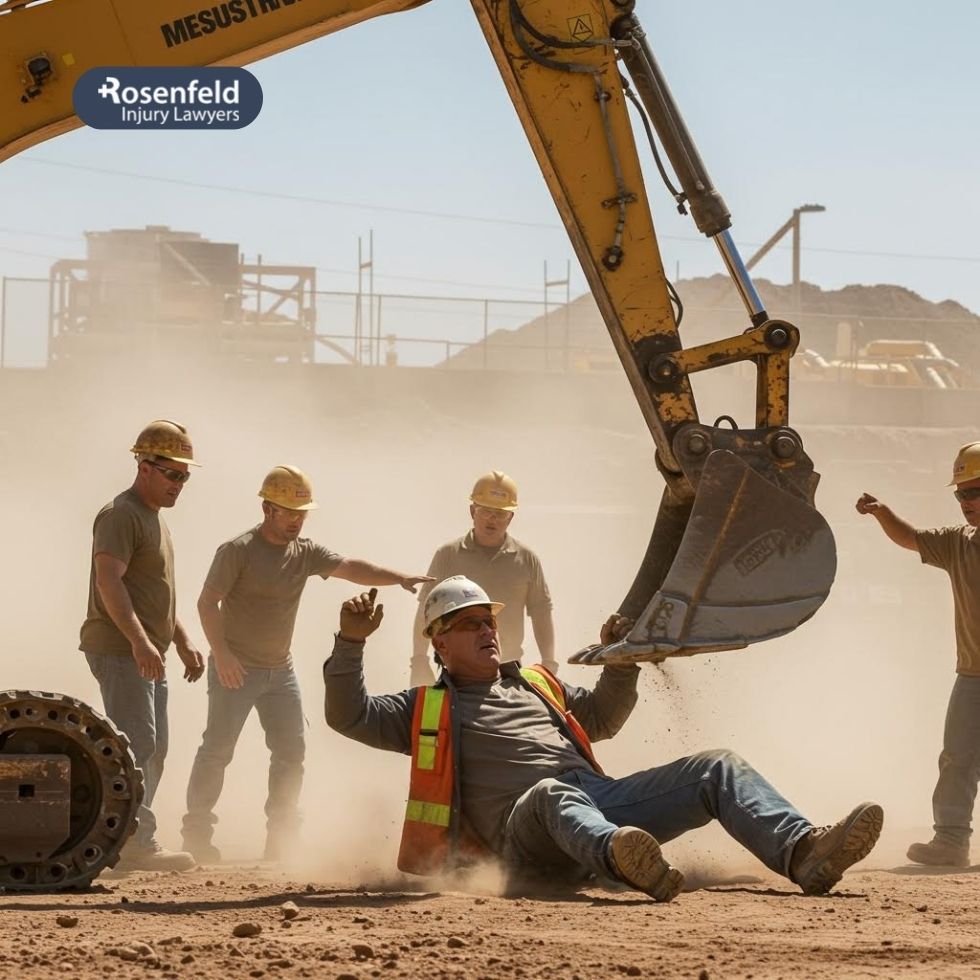
At IL Work Injury Lawyer, our personal injury attorneys handle serious Illinois work injury cases involving construction equipment, backhoes, and other dangerous machinery. We’re recognized by Super Lawyers and have recovered millions for clients injured by construction equipment, backhoes, and other dangerous machinery.
With a 10/10 rating on Avvo, our firm is known for aggressive advocacy, thorough investigation, and client-focused service. We handle every personal injury lawsuit on a contingency basis and you don’t pay unless you get paid. Whether your case involves a backhoe accident, fall, or machine defect, we fight to get you the maximum compensation under Illinois law.
Common causes include untrained or uncertified operators, especially those unfamiliar with the machine’s controls or weight limits. Many incidents happen due to the lack of spotters in crowded areas or the failure to use backup alarms when operating in reverse.
Equipment issues like defective hydraulic systems, brake failures, or missing rollover protection (ROPS) also contribute to serious crashes. Accidents are more likely when working near trenches, slopes, or uneven ground, especially if the backhoe isn’t regularly inspected or maintained by the employer or rental company.
Other causes include improper use of the boom or bucket, inadequate backhoe safety procedures, poor visibility within the swing radius, equipment defects, and failures involving stabilizers or outriggers. Related incidents may also involve an excavator accident or other heavy equipment accident.
A backhoe’s upper structure, boom, and bucket can rotate through a wide swing radius. Workers standing inside that zone may be struck or caught between the machine and a wall, vehicle, trench, or other equipment. A worksite should have appropriate controls to keep workers away from moving equipment. Evidence that the swing zone was not marked, controlled, or monitored may be relevant when determining whether safety failures contributed to an injury.
Backhoes are commonly used for excavation, making trench collapse and cave-ins important hazards to investigate. OSHA’s excavation requirements under 29 CFR 1926 Subpart P address protective systems, including sloping, shoring, and trench protective systems. The requirements depend on factors such as excavation depth and soil conditions, and a competent person must inspect excavation work as required. These risks are also common in excavation accidents, particularly when trenches lack appropriate protective systems or inspections.
Backhoe work can also cause serious injuries when excavation strikes underground gas lines, electrical cables, or other utility facilities. Contact with an underground electrical cable can cause severe electrocution injuries, burns, fires, or equipment damage. Under Illinois law, excavators generally must provide advance notice through JULIE and follow applicable precautions before digging. Normal notice must be provided at least two days, but no more than 10 days, before excavation, subject to applicable rules and exceptions. Similar hazards can occur in skid steer accidents, including rollovers, struck-by incidents, and equipment failures.
Backhoe accidents often lead to serious injuries due to the machine’s size, weight, and power. Crush injuries are common when a worker is pinned between the backhoe and another object or caught under. Amputations can occur when limbs come into contact with pto shafts, moving parts, or during maintenance.
Other frequent injuries include pelvic and spinal fractures, traumatic brain injuries, and internal bleeding caused by rollovers or impact with the equipment. Sadly, some accidents are fatal, especially those involving contact with power lines, vehicle collisions, or falls from the machine during operation.
If you’ve been hurt in a backhoe accident or other work-related incident, Illinois law allows you to pursue a personal injury claim to recover a range of damages. This includes the cost of all medical treatment, both past and anticipated, such as surgeries, rehabilitation, and ongoing care. Victims may also be compensated for lost wages, as well as diminished earning capacity if the injury limits future job options.
Additional damages cover pain and suffering, disability accommodations, and the loss of normal life, especially when injuries prevent you from performing daily activities or working in your trade. In wrongful death cases, surviving family members may seek compensation for funeral costs, lost income, and the emotional toll of their loss.
In cases involving gross negligence or repeated safety violations, punitive damages may also be awarded to punish reckless conduct and help prevent accidents in the future.
Based on Law.com’s VerdictSearch, the available data reports the following figures:
| Measure | Figure | Source |
| Average payout | ~$3,261,352 | Law.com VerdictSearch |
| Median payout | $512,500 | Law.com VerdictSearch |
A small number of very large verdicts can substantially increase the average payout, so the median may provide a better indication of where many reported case values fall. These figures are based on reported settlements and verdicts and do not predict what any individual backhoe injury claim may be worth.
The value of a backhoe injury claim may depend on:
An experienced backhoe injury lawyer can help you determine the fair value of your case based on these factors.
$23.5M Verdict for Laborer Crushed by Backhoe Boom
A 27-year-old deaf laborer was crushed against a stabilizer bar by a Case loader/backhoe boom after his cooler accidentally activated an exposed foot pedal behind the operator’s seat. He was paralyzed from the chest down and suffered a flaccid arm and partial hearing loss. The plaintiff alleged negligent design and failure to include pedal safety locks, despite prior fatalities and injuries tied to the same defect. The jury found the plaintiff 51% at fault but still awarded $23.5 million, with a net recovery of $17.6 million due to comparative negligence. Medical costs and future care significantly impacted the verdict.
$5M Settlement for Gas Mechanic Run Over by Backhoe
Joseph Johnson, a PECO gas mechanic, was run over by a backhoe while measuring piping for a new gas line. The tractor reversed without a functioning backup alarm, crushing his leg and causing pelvic fractures, nerve damage, incontinence, and impotence. He sued the equipment distributor for product defect, arguing the alarm should never have been allowed to be disabled. Johnson could not return to work and suffered permanent impairments. His wife filed a loss of consortium claim. The case settled in arbitration for $5 million with $4 million to Johnson and $1 million to his wife and under a high-low agreement.
$4.6M Verdict for Roofer Knocked Down by Backhoe
Raymond Rieck, 47, fell from a rooftop when he was allegedly struck in the head by a Case backhoe during demolition work at a Michigan campground. Rieck argued he was a volunteer and not an employee and that the operator acted negligently. Rieck argued he was a volunteer—not an employee—and that the operator acted negligently. The defense denied that any contact had occurred. The jury sided with Rieck, awarding $4.6 million, including $250,000 to his wife. Comparative fault reduced the award slightly. Despite surveillance footage cited by the defense, Rieck’s permanent disability from driving trucks influenced the jury’s finding of significant long-term loss.
Prior results disclaimer: Past results do not guarantee or predict a similar outcome. The facts, legal issues, and circumstances of each case are different.
After a backhoe accident, quick legal action is critical. Key evidence, like the damaged equipment, operator logs, and certification records that must be preserved before it’s lost or altered. Our team works to secure OSHA reports, site photos, and witness statements to understand whether operator error, unsafe conditions, or a product defect caused the injury.
Many job sites involve multiple companies, so it’s not always clear who is legally responsible and a contractor, site manager, equipment manufacturer, or employer. We carefully investigate all angles to identify every party that may owe you compensation. If the accident occurred during agricultural work, a farm accident lawyer can also help determine what legal claims may apply.
At IL Work Injury Lawyer, we represent injured workers and their families across Cook County, Will, DuPage, and throughout Illinois. Whether your case involves faulty machinery, rollover, or failed safety controls, our backhoe accident attorneys are ready to fight for your recovery.
According to OSHA, there have been at least 53 backhoe-related accidents nationwide since 2020, 27 of which were fatal. Reports show that most backhoe injuries result from workers being hit by moving equipment, unexpected bucket releases, collisions with swinging excavator arms, rollovers, and accidental contact with power lines.
Backhoe accidents occur in a wide range of job settings across Illinois. In cities like Chicago, Naperville, and Aurora, incidents are common on dense construction sites where loaders operate near traffic, pedestrians, or other workers.
Road repair and expansion projects in Joliet, Springfield, and surrounding areas see frequent accidents involving uneven ground, poor visibility, or contact with power lines. In McLean, Peoria, and Kankakee Counties, rural jobs involving trenching, grading, or agricultural work often lead to rollovers or crush injuries when excavation equipment tips or strikes a worker.
Even residential landscaping and utility projects can result in serious injuries when safety rules aren’t followed, especially during tasks like digging, lifting, or transporting debris. Whether your injury happened on a major highway project or a small neighborhood job, our firm investigates the site, equipment, and operator conduct to determine what went wrong and who may be liable.
The Workers’ Compensation Act (820 ILCS 305) provides benefits for workers injured on the job, including those hurt in backhoe accidents. However, many farm workers are excluded unless the farm has 400+ working days per quarter. Ineligible workers may still pursue personal injury claims against negligent third parties.
If a backhoe accident causes a fatality, surviving family members can pursue compensation under the Wrongful Death Act (740 ILCS 180/). This can include damages for funeral expenses, loss of financial support, grief, and loss of companionship. The claim must be brought within two years of the worker’s death.
Under 735 ILCS 5/2-21, injured workers can file a product liability lawsuit against equipment manufacturers for defective or dangerous backhoes or attachments, including control systems. Common claims involve design flaws, manufacturing defects, or failure to warn of known hazards.
The Illinois Premises Liability Act (740 ILCS 130/) holds landowners or site managers responsible for dangerous site conditions such as uneven ground, unmarked hazards, or inadequate lighting.
Federal safety standards under OSHA 1926.602 govern material-handling and certain earthmoving equipment requirements. The standard addresses matters including seat belts, brakes, and audible alarms for specified equipment.
OSHA’s 29 CFR 1926 Subpart P also establishes requirements for construction excavation work, including specific excavation requirements and protective systems.
The Illinois Underground Utility Facilities Damage Prevention Act, 220 ILCS 50, establishes requirements for excavators and underground utility facility owners. For normal notice requests, the statute generally requires notice through JULIE at least two days, but no more than 10 days, before planned excavation or demolition.
Under the Illinois Statute of Limitations for Personal Injury (735 ILCS 5/13-202), you generally have two years from the date of the backhoe accident to file a lawsuit. Missing this deadline may prevent you from recovering damages, so it’s essential to speak with a lawyer as soon as possible.
Legal liability for backhoe injuries in Illinois depends on who caused or failed to prevent the accident. While employers typically provide workers’ compensation, third parties can also be held responsible. These may include equipment manufacturers or distributors if a defect in the backhoe, loader bucket, or controls contributed to the injury.
Maintenance contractors may be liable for failing to inspect or repair worn parts. Property owners, including farm owners, can be sued for unsafe ground conditions or poor site management. In agricultural settings, supervisors may also share liability for ignoring safety protocols or exposing workers to preventable hazards.
Depending on the circumstances, potential third parties may also include equipment rental companies or contractors involved in underground utility locating. Liability depends on the parties’ contractual and legal duties, conduct, and the evidence surrounding the accident.
Defendants in Illinois backhoe accident cases often rely on several common defenses to limit liability. Under Illinois Comparative Negligence Law (735 ILCS 5/2-1116), they may argue the injured worker was over 50% at fault, such as by ignoring procedures or taking shortcuts. We respond by showing a history of safety lapses or lack of oversight.
Manufacturers often claim there was no defect in the backhoe or loader bucket. Our team works with engineers to inspect equipment and uncover design or warning failures. Defendants may also assert that the worker misused the equipment or lacked authorization. We counter this with job site logs, witness statements, and supervisor directives.
Some argue that proper PPE or training was provided; we review onboarding records, safety manuals, and OSHA citations to expose gaps. If an employer denies a duty to maintain safety features, we use maintenance logs, inspection records, and industry standards to prove negligence or recklessness.
To strengthen your backhoe injury case in Illinois, start by getting immediate medical treatment and keeping all records related to your diagnosis and recovery.
If possible, make sure the backhoe, loader, or related equipment involved, such as a bucket, pto shaft, or boom, which is preserved for expert inspection.
Request copies of any OSHA or Illinois Department of Labor (IDOL) inspection reports.
Collect names and contact details of any witnesses, especially coworkers or bystanders.
If excavation or utility contact was involved, request the JULIE locate ticket and available utility markings. Photograph the trench, shoring or trench box, equipment position, and whether the swing zone was marked. Request applicable trench inspection records and identify the site’s competent person. Maintenance, inspection, rental, and equipment records may also help establish what happened.
Avoid giving statements to insurance companies, even if they seem cooperative.
Most importantly, contact the IL Work Injury Lawyer team early so we can protect your rights and begin building your claim.
A skilled backhoe injury attorney plays a key role in building a strong case. We start by conducting site inspections and preserving the auger, bucket, or any other equipment involved. Our firm works with engineers, OSHA experts, and mechanical consultants to evaluate failures in design, maintenance, or safe operation.
We identify all liable parties, whether it’s a contractor, manufacturer, or equipment supplier and determine if both workers’ comp and third-party lawsuits apply. From filing claims to negotiating settlements or preparing for trial, we handle every part of the legal process. Our attorneys represent injured workers across Illinois, including Cook County, suburban, and rural venues.
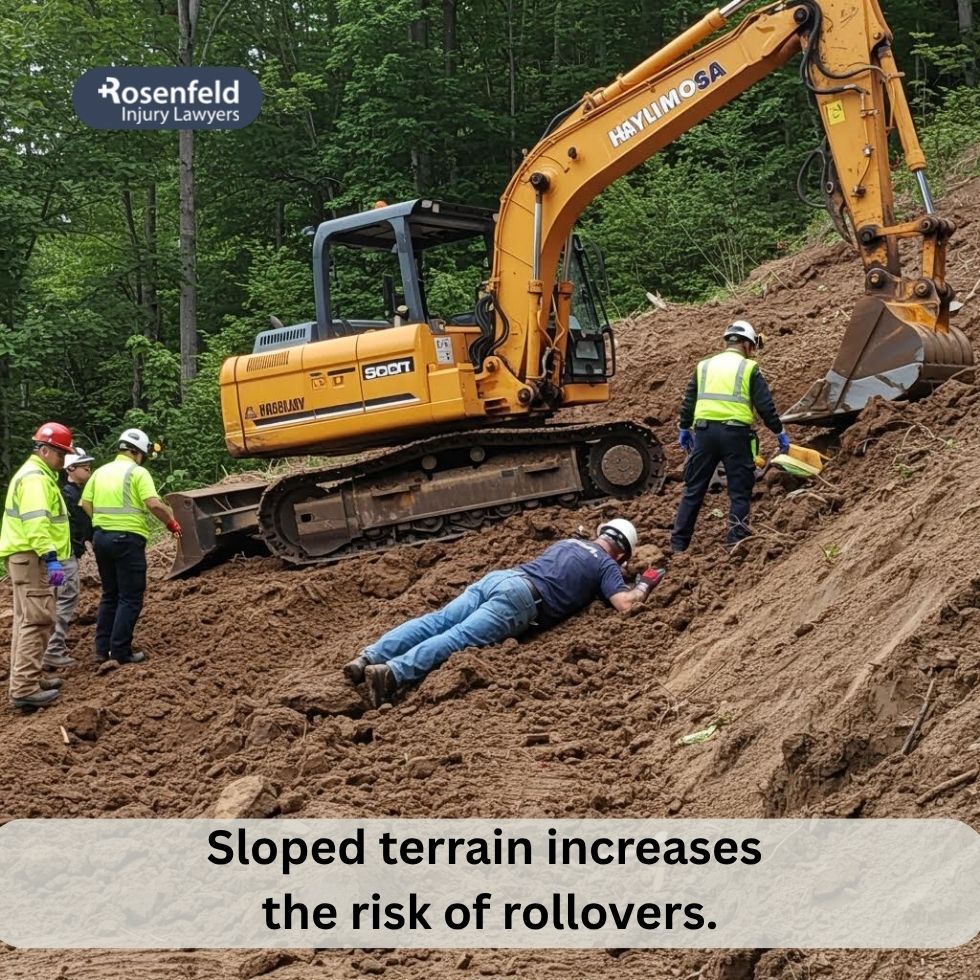
At IL Work Injury Lawyer, we work on a contingency fee basis, meaning you pay nothing upfront. We only get paid if we win your case.
Workers injured by defective equipment, poor site conditions, or unsafe operation may file a backhoe injury lawsuit. Independent contractors, subcontractors, or bystanders who have been injured due to the incident can also take legal action. In fatal cases, family members may file a wrongful death claim.
Backhoe accidents may result from struck-by hazards, rollovers, poor visibility, equipment defects, unsafe swing zones, trench hazards, utility strikes, inadequate training, or failures to follow applicable safety procedures.
Liability depends on the cause of the collapse and the parties responsible for the excavation. Potentially responsible parties may include an employer, contractor, property owner, equipment provider, or another third party. OSHA excavation requirements and site records may help establish what occurred.
Potentially, depending on the facts. A rental company may face a claim if a defect, maintenance issue, or other actionable conduct contributed to the injury. The rental agreement, inspection records, maintenance history, and equipment condition should be reviewed.
Coverage depends on the worker’s employment status and whether the Illinois Workers’ Compensation Act applies. Farm-worker coverage has specific rules and exceptions. See our workers’ compensation for farm workers page for more information.
If you’ve been injured in a backhoe accident, you don’t have to face the recovery process alone. At IL Work Injury Lawyer, we have a strong record of securing significant results for injured workers across Chicago and throughout Illinois.
We handle every case with the care, respect, and urgency it deserves. Whether your injury happened on a rural farm or a downtown construction site, we’re here to help. Contact us today for a free consultation to review your case and explain your legal options.
 Legally Reviewed By
Attorney Jonathan Rosenfeld
Content legally reviewed by Jonathan Rosenfeld The information on this page has been legally reviewed by Attorney Jonathan Rosenfeld, founder and managing partner of Rosenfeld Injury Lawyers LLC. With extensive experience representing injured workers across Illinois, Mr. Rosenfeld is dedicated to helping workplace accident victims pursue the maximum compensation available under the law. His extensive legal knowledge and commitment to client advocacy ensure that the information provided is accurate, reliable, and aligned with current legal standards.