



Defective Farm Equipment Lawsuit: What You Need to Prove


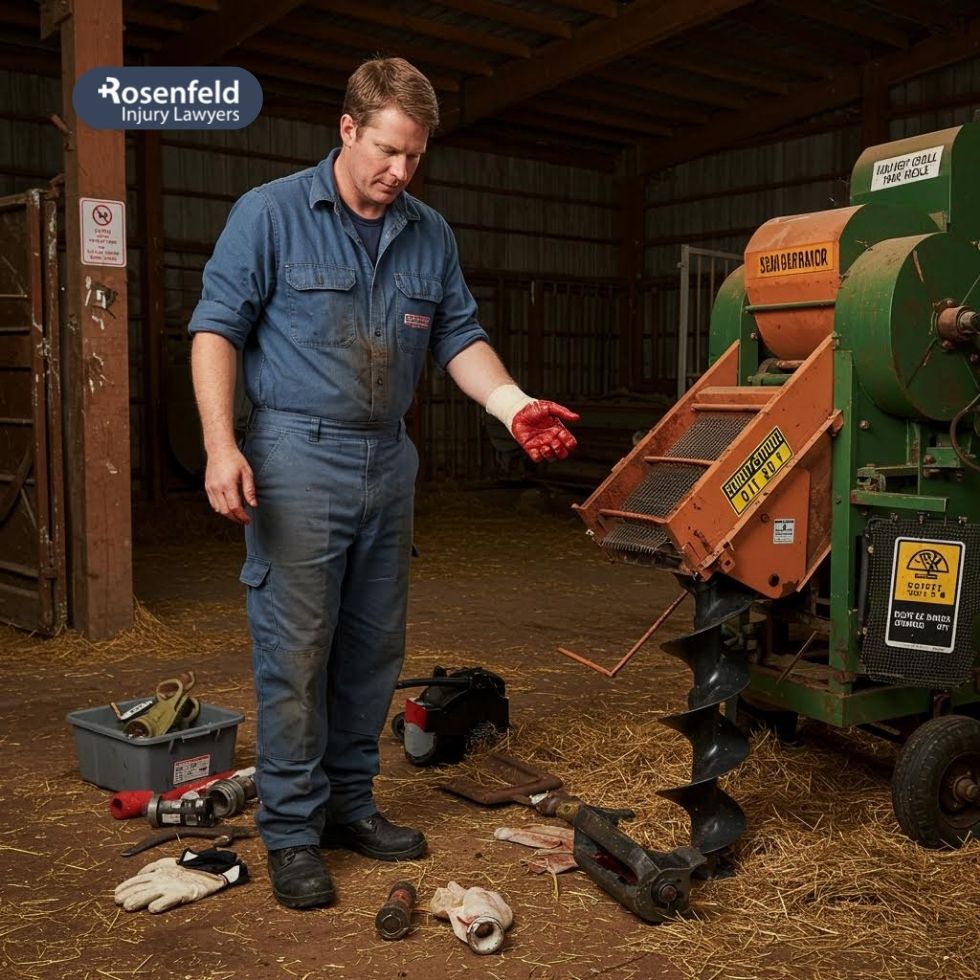
Not every farm accident happens because of human error. Sometimes the equipment itself is the problem, whether it’s a tractor missing critical rollover protection, a grain auger with a faulty safety guard, or a hay baler that malfunctions during normal use. When that’s the case, a defective farm equipment lawsuit may allow you to pursue compensation directly from the manufacturer, separate from any workers’ comp claim tied to your employer.
Understanding what actually has to be proven, and what deadlines apply, is essential before moving forward with a claim like this.
When a Farm Accident Becomes a Product Liability Case
A farm accident shifts from a workplace injury issue to a product liability matter when the equipment itself failed to perform safely, either due to how it was designed, how it was built, or a lack of adequate warnings about its risks. This distinction matters because product liability claims are filed against the manufacturer, distributor, or seller of the equipment, not your employer, which opens the door to broader compensation than workers’ comp alone provides.
The Three Types of Defects That Support a Lawsuit
Illinois product liability law recognizes three main categories of defects, and identifying which one applies to your case shapes how the claim gets built.
Design defects exist when the product’s underlying design is unreasonably dangerous, even if it was manufactured exactly as intended. A tractor engineered without adequate rollover protection is a common example in farm equipment cases.
Manufacturing defects occur when something went wrong during the actual construction of the equipment, even though the design itself was safe. A weld that failed, a component installed incorrectly, or a part made from substandard material can all fall into this category.
Failure to warn claims arise when a product lacked adequate instructions or warning labels about known dangers. If a manufacturer knew a piece of equipment posed a serious entanglement risk but failed to include clear warnings or safety instructions, this theory may apply.
Common Farm Equipment Involved in Defect Claims
Certain types of equipment show up repeatedly in defective farm equipment lawsuits, including tractors without functioning rollover protective structures, grain augers and combines with missing or inadequate safety guards, PTO shafts lacking proper shielding, hay balers with faulty tie mechanisms, and brush hogs with design flaws that increase the risk of thrown debris or entanglement.
How Illinois Product Liability Law Works
Illinois allows injured workers to pursue these claims under a strict liability theory, meaning you don’t need to prove the manufacturer was careless, only that the product was unreasonably dangerous and that danger caused your injury. Negligence and breach of warranty claims may also apply depending on the circumstances.
Timing matters significantly in these cases. Illinois generally requires product liability lawsuits to be filed within two years of the injury, or two years from when you reasonably should have discovered it under the state’s discovery rule. On top of that, Illinois enforces a statute of repose, an absolute cutoff of 10 years from the date the product was first sold to its original consumer, or 12 years from the date it was first sold by the manufacturer, whichever comes first. This deadline applies regardless of when the injury actually occurred, which matters a great deal given how long farm equipment often stays in service.
Defective Farm Equipment Lawsuit vs. Workers’ Comp: Can You Pursue Both?
In many cases, yes. If you were injured while working and the equipment involved turns out to have been defective, you may be entitled to workers’ compensation benefits from your employer at the same time you pursue a separate product liability claim against the manufacturer. This combination often results in significantly higher total compensation, since a product liability claim can include damages, like pain and suffering, that workers’ comp doesn’t cover.
This is particularly relevant for agricultural workers in Illinois, since many small farm operations are exempt from mandatory workers’ comp coverage. In situations where workers’ comp doesn’t apply, a defective farm equipment lawsuit against the manufacturer may become your primary path to compensation.
What Evidence Strengthens Your Case
Building a strong defective farm equipment lawsuit typically depends on preserving key evidence quickly, since equipment can be repaired, sold, or destroyed after an accident.
- Preserve the equipment in its post-accident condition whenever possible, rather than repairing or discarding it.
- Photograph the equipment, including any missing guards, worn parts, or visible defects.
- Keep the owner’s manual and any safety warnings that came with the equipment.
- Document maintenance records to show the equipment was properly cared for
- Get expert evaluation from an engineer or safety expert who can identify the specific defect involved.
Product liability cases almost always require expert testimony to explain the technical nature of the defect and connect it clearly to your injury, so working with an attorney experienced in these claims early on makes a meaningful difference.
Frequently Asked Questions
Do I need to prove the manufacturer was negligent?
Not necessarily. Illinois allows strict liability claims, meaning you generally only need to show the product was unreasonably dangerous, not that the manufacturer was careless.
What if the equipment was old or secondhand?
You may still have a claim, though the statute of repose could bar older equipment depending on when it was first sold.
Can I sue the retailer instead of the manufacturer?
Illinois law generally allows the retailer to be dismissed from the case if they properly identify the manufacturer, so claims usually center on the manufacturer directly.
What if I modified the equipment before the accident?
Modifications can complicate a claim, since manufacturers often argue misuse or alteration caused the defect rather than the original design.
Can my family pursue a claim if a defective product caused a fatal farm accident?
Yes, wrongful death claims based on defective products are available to surviving family members under Illinois law.
Getting the Full Value of Your Claim
A defective farm equipment lawsuit can provide compensation that a standard workplace claim doesn’t reach, but these cases depend heavily on preserving evidence and identifying the specific defect early. Given the strict deadlines involved, waiting to explore your options can cost you the ability to pursue a claim at all.
If you were injured by farm equipment you believe was defectively designed or manufactured, we can help you investigate what happened and determine every avenue of compensation available. Reach out for a free consultation to discuss your situation.
 Legally Reviewed By
Attorney Jonathan Rosenfeld
Content legally reviewed by Jonathan Rosenfeld The information on this page has been legally reviewed by Attorney Jonathan Rosenfeld, founder and managing partner of Rosenfeld Injury Lawyers LLC. With extensive experience representing injured workers across Illinois, Mr. Rosenfeld is dedicated to helping workplace accident victims pursue the maximum compensation available under the law. His extensive legal knowledge and commitment to client advocacy ensure that the information provided is accurate, reliable, and aligned with current legal standards.