


Untrained Forklift Operator Accident: What Injured Workers Need to Know


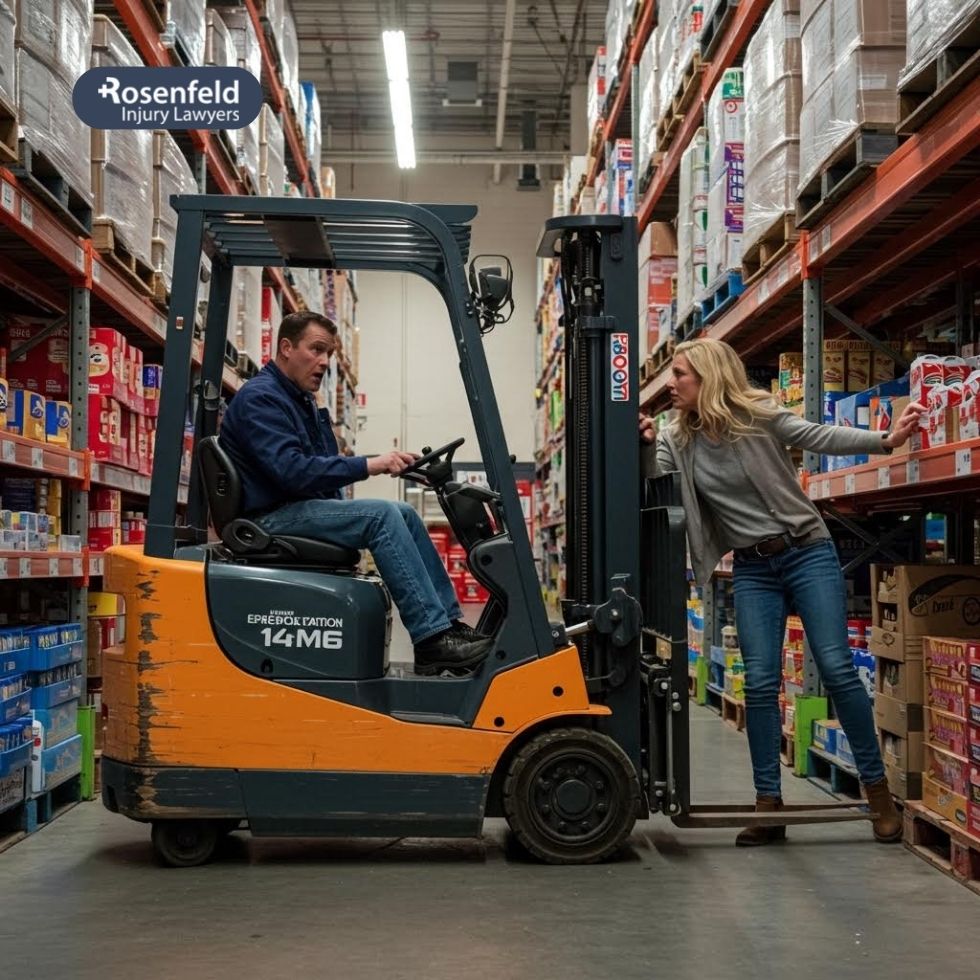
Picture a warehouse on a busy afternoon. A new hire, only a few days into the job, is asked to move a pallet because the regular operator called in sick: no certification, no evaluation, just a quick verbal explanation of the controls. Minutes later, the forklift clips a coworker near a blind corner. This scenario plays out more often than most people realize, and it’s the story behind a significant share of workplace forklift injuries.
An untrained forklift operator accident isn’t just a tragic mistake. It’s often the direct result of an employer skipping legally required steps, and that distinction can matter a great deal for anyone hurt as a result.
What OSHA Actually Requires Before Anyone Operates a Forklift
Under OSHA’s Powered Industrial Truck standard, employers must ensure every forklift operator completes formal instruction, hands-on practical training, and a workplace-specific performance evaluation before operating equipment unsupervised. This isn’t optional or something that can be skipped for a single shift. Operators must also be re-evaluated at least every three years, and sooner if they’re involved in an accident, observed operating unsafely, assigned to a different type of truck, or if workplace conditions change.
This requirement applies to every operator, including temporary and staffing agency workers. The employer where the work actually happens is responsible for verifying training, regardless of who technically employs the operator.
How an Untrained Forklift Operator Accident Happens
Most of these accidents share a familiar pattern. A regular operator is unavailable, and a supervisor asks someone else to fill in without proper certification. Other times, a newly hired operator is rushed through training to meet production demands, or an experienced operator is put on unfamiliar equipment without the required retraining. In each case, the missing step is the same: someone was operating a forklift without demonstrating they could do it safely.
Common injuries in these accidents include being struck or pinned by the vehicle, falling loads, tip-overs on uneven surfaces, and collisions at blind corners where an inexperienced operator misjudges speed or clearance.
Why Training Failures Matter for Your Claim
A missing or incomplete training record does more than expose an employer to an OSHA citation. It can serve as strong evidence of negligence in a personal injury claim. When an employer knew, or should have known, that an operator wasn’t properly trained and allowed them to operate equipment anyway, that failure often becomes central to proving liability.
Investigators typically request certification records immediately after a serious forklift accident. If those records don’t exist, or show gaps in refresher training after a prior near-miss, that absence speaks volumes in a civil case.
Workers’ Comp vs. Third-Party Liability When Training Was Skipped
If your own employer’s untrained operator caused your injury, you’re generally limited to workers’ compensation benefits, since most states prevent employees from suing their own employer directly. Workers’ comp will still cover your medical treatment and a portion of lost wages regardless of who was at fault.
The situation changes if the untrained operator worked for a different company, such as a staffing agency, subcontractor, or a separate business sharing the same worksite. In that case, you may be able to pursue a third-party lawsuit against that operator’s employer in addition to your workers’ comp claim, potentially recovering compensation for pain and suffering that workers’ comp doesn’t provide.
What This Means If You Were Hurt By a Coworker Who Wasn’t Trained
Being injured by a coworker who wasn’t properly trained can feel confusing, since it’s natural to wonder whether you can hold that person personally responsible. In most cases, coworker negligence on the job is covered under the same workers’ comp system, meaning you generally can’t sue a fellow employee directly. However, if the untrained coworker was employed by a different company working at the same site, a third-party claim against their employer may still be available.
Building Evidence of a Training Failure
If you suspect the operator who hurt you wasn’t properly trained, a few pieces of evidence can make a significant difference in your case:
- Request the operator’s certification and training records through your attorney.
- Document how long the operator had been employed and in what role.
- Identify whether the operator had been involved in any prior incidents or near-misses
- Get statements from coworkers who may know how the operator was assigned to the equipment.
- Preserve any internal communications discussing staffing shortages or training shortcuts.
Frequently Asked Questions
Can I still get workers’ comp if the operator who hit me wasn’t certified?
Yes. Workers’ comp is a no-fault system, so you’re entitled to benefits regardless of whether the operator was properly trained.
Is my employer automatically liable if the operator had no certification?
Not automatically, but missing training records are strong evidence of negligence that can support a broader legal claim.
What if I was the untrained operator and got hurt myself?
You’re still entitled to workers’ comp benefits, since Illinois workers’ comp doesn’t require you to prove your employer, or you, did nothing wrong.
Can a supervisor be personally responsible for allowing untrained operation?
In some cases, yes, particularly if a supervisor knowingly allowed unsafe practices to continue after being warned.
How do I find out if the operator was actually certified?
An attorney can request training and certification records directly from the employer as part of building your case.
Getting the Full Picture After Your Accident
An accident involving an untrained forklift operator often points to a preventable failure rather than simple bad luck. Understanding whether proper training and certification were in place can significantly affect what compensation you’re entitled to pursue, especially if more than one company was involved at your worksite.
If a forklift operator injured you you believe wasn’t properly trained, we can help you investigate what really happened and pursue every source of compensation available. Reach out for a free consultation to talk through the details of your accident.
 Legally Reviewed By
Attorney Jonathan Rosenfeld
Content legally reviewed by Jonathan Rosenfeld The information on this page has been legally reviewed by Attorney Jonathan Rosenfeld, founder and managing partner of Rosenfeld Injury Lawyers LLC. With extensive experience representing injured workers across Illinois, Mr. Rosenfeld is dedicated to helping workplace accident victims pursue the maximum compensation available under the law. His extensive legal knowledge and commitment to client advocacy ensure that the information provided is accurate, reliable, and aligned with current legal standards.