



What to Do After a Forklift Accident at Work?


The moments right after a forklift accident are chaotic, and it’s easy to focus only on the immediate scene while missing steps that matter later. Knowing what to do after a forklift accident at work protects your health first, but it also protects your ability to recover the compensation you’re entitled to once the dust settles.
Here’s how the response typically unfolds, broken into the timeframes that matter most.
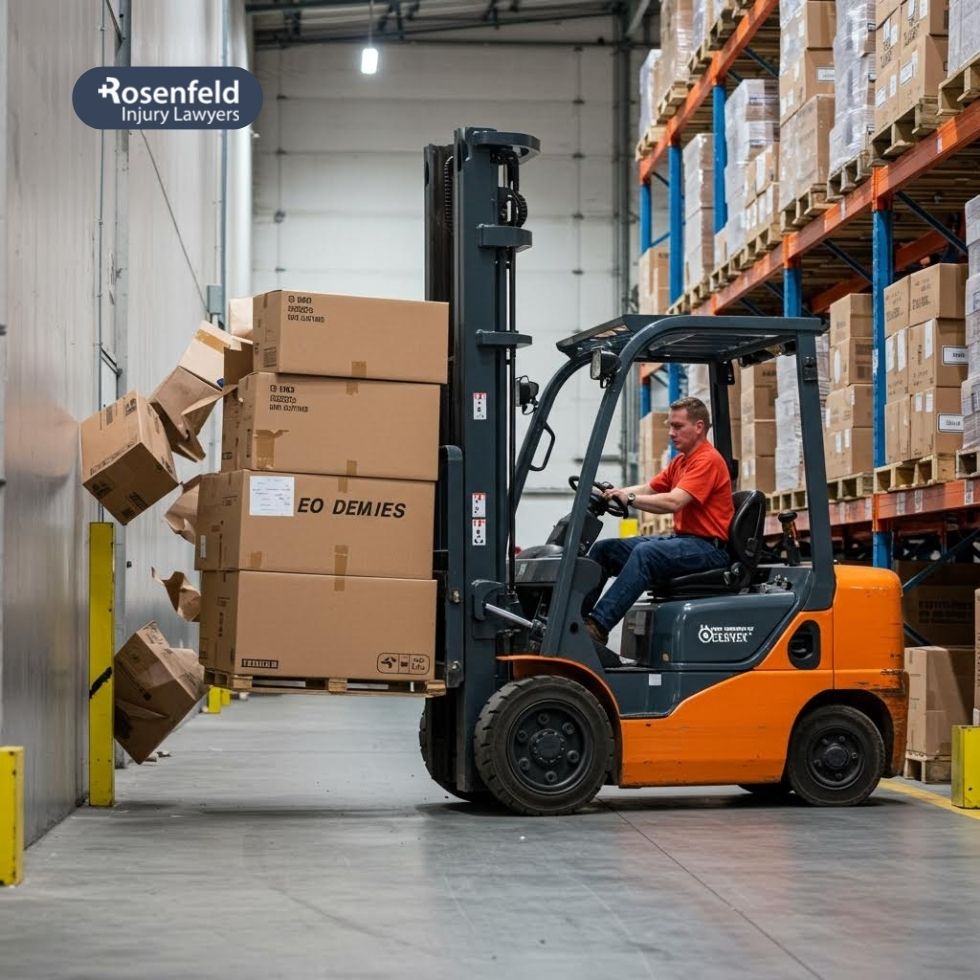
In the First Few Minutes: Safety Comes First
Nothing matters more in the immediate aftermath than getting help for anyone who’s hurt. Stop the forklift, shut off the equipment if it’s still running, and call for emergency medical assistance if injuries are serious. Don’t move an injured person unless they’re in immediate danger from fire, further collision, or another active hazard.
Once medical help is on the way, secure the area to prevent additional accidents. Keep coworkers and equipment away from the scene so evidence isn’t disturbed and no one else gets hurt navigating around the same hazard.
Within the First 24 Hours: Document and Report
Once the immediate emergency is handled, the next priority is documentation, and this window closes faster than most people expect. Photograph the forklift’s position, any load involved, floor conditions, and visible injuries before anything gets moved or cleaned up. If coworkers witnessed the accident, get their names and contact information while the details are still fresh in everyone’s memory.
Report the accident to your supervisor as soon as possible, and follow up with a written notice even if you’ve already reported it verbally. Illinois law requires injured workers to notify their employer within 45 days of the accident, but reporting immediately strengthens your claim and avoids any dispute over whether or when your employer was told.
Serious forklift accidents, including those involving hospitalization, amputation, or loss of an eye, trigger separate reporting obligations for your employer under OSHA rules, generally requiring notification to OSHA within 24 hours, or within 8 hours for a fatality. Any resulting inspection or citation can become useful evidence for your own claim later.
In the Days That Follow: Protect the Evidence
Evidence in forklift cases tends to disappear quickly. Maintenance logs, pre-shift inspection records, and warehouse surveillance footage are often only retained for a limited period before being overwritten or discarded as part of routine business practice. If you suspect equipment failure, inadequate training, or unsafe conditions played a role in your accident, it’s important to request these records as soon as possible, ideally through an attorney who can send a formal preservation request to your employer.
This is also the point where you should follow through on all recommended medical treatment. Gaps in care or skipped appointments can be used later to argue your injury isn’t as serious as claimed, even when that’s far from the truth.
In the Weeks After: Understand Your Claim Options
Once the immediate steps are handled, it’s worth understanding what type of claim actually applies to your situation. If your own employer’s negligence caused the accident, you’re generally limited to workers’ compensation benefits, which cover medical treatment and a portion of lost wages regardless of fault. If a different company’s employee, a defective piece of equipment, or a negligent contractor at a shared worksite contributed to the accident, you may also have a separate third-party claim that can recover additional compensation, including damages for pain and suffering that workers’ comp doesn’t provide.
Avoid giving a recorded statement to an insurance adjuster before understanding which of these paths applies to you. Adjusters often use early statements, made before you’ve had time to think clearly, to minimize the value of a claim later.
A Quick Reference Checklist
- Call for medical help and avoid moving anyone seriously injured.
- Secure the scene and shut down the equipment.
- Photograph the accident scene, equipment, and injuries.
- Collect witness names and contact information.
- Report the accident to your supervisor in writing.
- Follow through on all recommended medical treatment.
- Request maintenance and training records before they’re lost.
- Avoid recorded statements to insurance adjusters without guidance.
Frequently Asked Questions
What if I didn’t get to take photos at the scene?
It’s not ideal, but not fatal to your claim. Witness statements, medical records, and any surveillance footage can still support your case.
Do I have to report the accident even if my injury seems minor?
Yes. Some injuries, like soft tissue damage, don’t show full symptoms until days later, and reporting promptly protects your claim either way.
Can I be fired for reporting a forklift accident?
No. Illinois law prohibits employers from retaliating against workers for reporting a workplace injury or filing a claim.
What if I wasn’t operating the forklift involved?
You’re still entitled to workers’ comp regardless of who was operating the equipment, and a third-party claim may apply depending on who employed that operator.
How soon should I talk to a lawyer after a forklift accident?
As early as possible, especially given how quickly maintenance records and surveillance footage can be lost or overwritten.
Taking the Right Steps From the Start
Knowing what to do after a forklift accident at work gives you a clear path forward during a moment that otherwise feels overwhelming. The steps you take in the first hours and days- medical care, documentation, and prompt reporting- often shape the outcome of your claim just as much as the accident itself.
If you’ve been hurt in a forklift accident, we’re here to help you sort out what evidence matters, what claims apply to your situation, and what to do next. Reach out for a free consultation to talk through what happened.
 Legally Reviewed By
Attorney Jonathan Rosenfeld
Content legally reviewed by Jonathan Rosenfeld The information on this page has been legally reviewed by Attorney Jonathan Rosenfeld, founder and managing partner of Rosenfeld Injury Lawyers LLC. With extensive experience representing injured workers across Illinois, Mr. Rosenfeld is dedicated to helping workplace accident victims pursue the maximum compensation available under the law. His extensive legal knowledge and commitment to client advocacy ensure that the information provided is accurate, reliable, and aligned with current legal standards.