



If You Get Injured at Work in Illinois


If I get injured at work do I get paid in Illinois? Usually yes. Workers’ compensation covers your medical bills and pays two-thirds of your average weekly wage while a doctor keeps you off the job. A three-day waiting period applies. You must tell your employer about the injury within 45 days.
The system exists to keep money coming in, but only if you know the rules early.
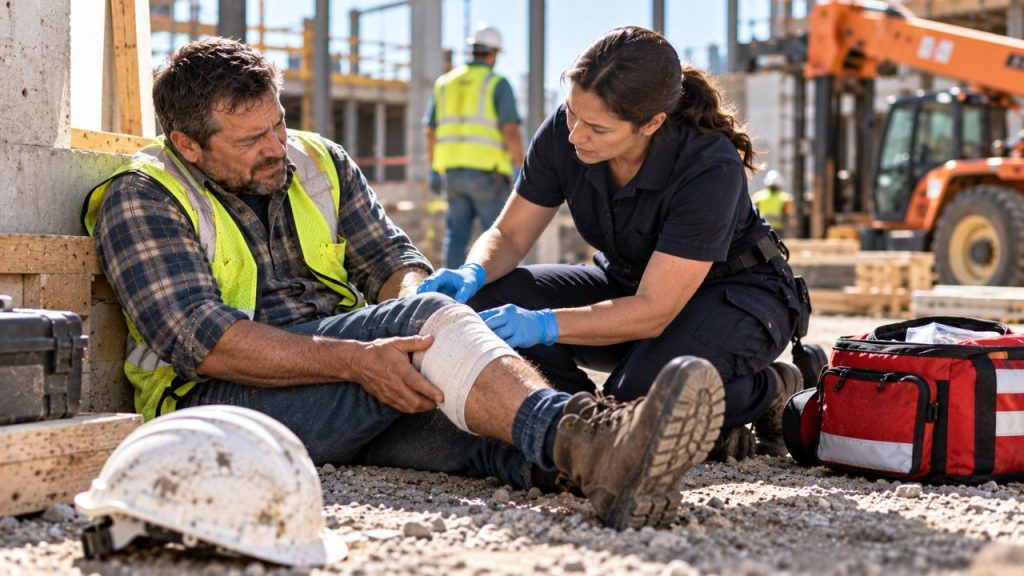
Who Pays After a Work Injury?
Your employer’s workers’ compensation insurance pays. Illinois uses a no-fault system, so you do not have to prove your employer did anything wrong.
The Illinois Workers’ Compensation Act requires most employers to carry this coverage. It pays for medical care and a share of your lost wages. You only need to show that you were hurt while doing your job. The Illinois Workers’ Compensation Commission, or IWCC, oversees claims and disputes. The Act is codified at 820 ILCS 305.
How Much Will I Get Paid?
Most injured workers receive temporary total disability, or TTD, set at 66⅔ percent of their average weekly wage. Payments last until you reach maximum medical improvement or a doctor clears you to return.
If I get injured at work do I get paid my full salary? No. TTD benefits replace about two-thirds of what you earned, up to a weekly maximum. The state sets that maximum from the statewide average weekly wage, and the IWCC posts new rates every six months. Check the Commission’s benefit rates page for the current cap.
| Benefit | Who it helps | Rate |
| TTD | You cannot work at all | 66⅔% of average weekly wage |
| TPD | You are back on lighter duty at lower pay | Two-thirds of the wage gap |
| PPD | You have a lasting impairment but can still work based on a schedule or rating | 60% of average weekly wage, |
| PTD | You can never work again | 66⅔% of average weekly wage for life |
Lasting injuries may qualify for permanent partial disability benefits. Workers who cannot return to their old job may also qualify for vocational rehabilitation.
When Does the Money Start?
Wage payments start after a three-day waiting period. If your disability lasts 14 days or more, you are paid for those first three days as well.
So if I get injured at work do I get paid from day one? Not for the first three working days of a short absence. The waiting period applies to wage payments only. Reasonable and necessary medical treatment is covered no matter how long you are off. Delays happen, so log every missed shift and doctor visit.
What Should I Do First?
Get medical care, then report the injury to your employer. Illinois gives you 45 days, but sooner is safer.
- Tell the doctor or ER staff the injury happened at work. This sends the bill to workers’ comp, not your personal insurance.
- Report the injury to your supervisor and put it in writing. Include the date, the place, and what happened.
- Photograph the scene and save the names of any witnesses.
- Follow your treatment plan and keep every record, receipt, and pay stub.
- Talk to a lawyer before giving a recorded statement to an insurer.
Even a minor injury deserves a medical visit. Delayed treatment gives insurers room to argue the injury happened somewhere else.
Can I Choose My Own Doctor?
Often yes. Illinois generally lets you choose up to two doctors, and referrals from those doctors do not count against the limit.
Some employers run a preferred provider program, and you can opt out of it. Your medical care benefits also include surgery, hospital stays, therapy, medication, equipment, and mileage to appointments.
Who Is Not Covered?
Independent contractors, unpaid volunteers, and some casual and domestic workers are generally outside the Act. Part-time, seasonal, and union employees are usually covered.
If your employer controls how, when, and where you work, you may legally be an employee even with a contractor label. Temporary staffing has its own rules, which our page on workers’ compensation for temporary employees explains. Railroad workers fall under FELA, and maritime crew members fall under the Jones Act.
What If My Claim Is Denied?
A denial is not final. You can contest it before the IWCC, and deadlines matter. You generally have three years from the injury, or two years from the last payment, whichever is later.
Insurers often argue the injury is not work-related or that treatment was not needed. Medical records, witness names, and your written report answer those points. Read our overview of the workers’ compensation statute of limitations, because missing a deadline can end a valid claim. Work injury settlements also deserve a careful read before you sign. Illinois law bars retaliation too, so your employer cannot lawfully fire or punish you for filing. If someone other than your employer caused the injury, such as a contractor or an equipment maker, a separate claim may exist.
FAQs
Yes, if a doctor takes you off work. Workers’ compensation pays two-thirds of your average weekly wage after a three-day waiting period.
Yes. It covers reasonable and necessary treatment for a work injury, including surgery, therapy, medication, and mileage to appointments.
You must notify your employer within 45 days. Putting the report in writing creates proof.
No. Illinois law bars employers from retaliating against workers who file claims. If it happens, you may have grounds for a separate legal action.
You may be able to sue the employer in court. The Illinois Injured Workers’ Benefit Fund may also be an option.
What Is Your Next Step?
If you are unsure how wages, doctor choice, or deadlines apply to you, IL Work Injury Lawyer offers a free consultation, and you owe nothing unless we recover compensation. Ask early, because the answer to the question if I get injured at work do I get paid depends on the steps you take in the first weeks. Contact us today to understand your rights, available benefits, and what to do next.
 Legally Reviewed By
Attorney Jonathan Rosenfeld
Content legally reviewed by Jonathan Rosenfeld The information on this page has been legally reviewed by Attorney Jonathan Rosenfeld, founder and managing partner of Rosenfeld Injury Lawyers LLC. With extensive experience representing injured workers across Illinois, Mr. Rosenfeld is dedicated to helping workplace accident victims pursue the maximum compensation available under the law. His extensive legal knowledge and commitment to client advocacy ensure that the information provided is accurate, reliable, and aligned with current legal standards.