



FELA vs. Workers’ Comp: What’s the Difference for Railroad Workers?


If you’ve been hurt on the job and started researching your options, you may have quickly discovered that railroad workers don’t file a typical workers’ comp claim. Understanding FELA vs. workers’ comp is essential before you take your next step, because the two systems operate on almost entirely different principles, and choosing the wrong assumptions about your case can cost you real money.
Here’s a clear breakdown of how each system actually works, and why railroad employees end up in a very different process than most other injured workers.
Why Railroad Workers Don’t Use Standard Workers’ Comp
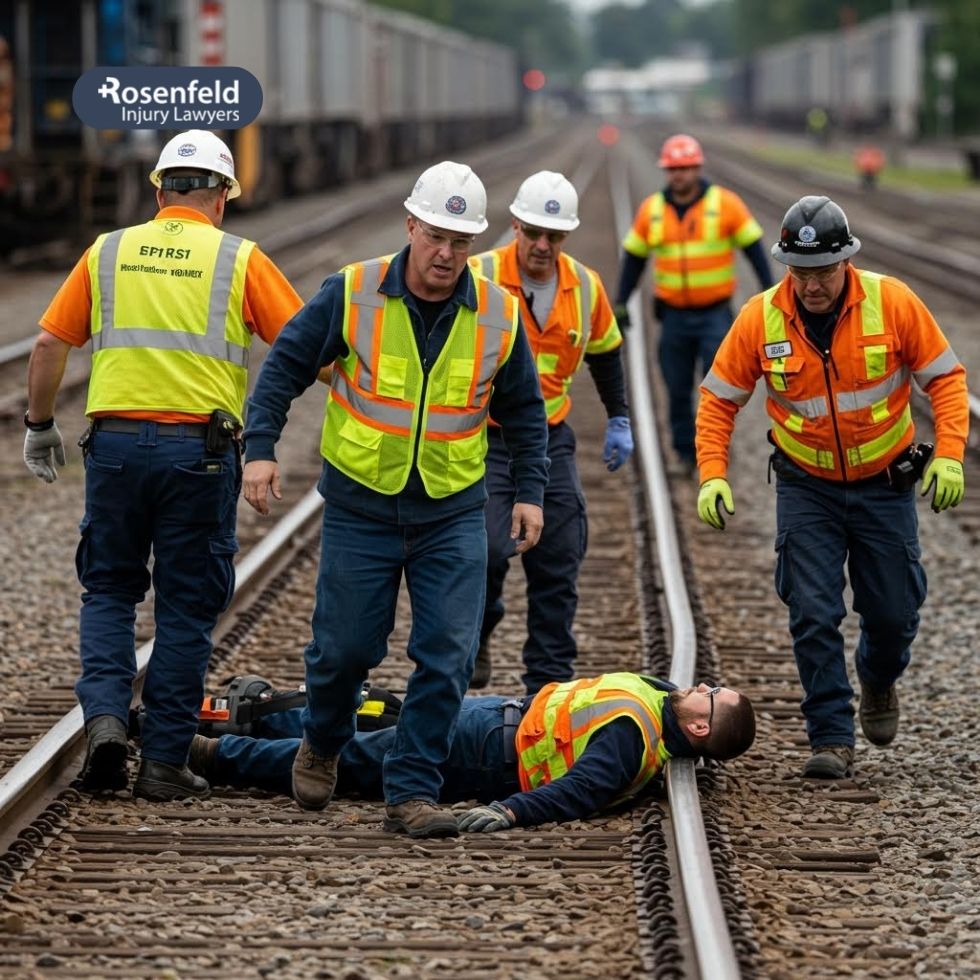
Railroad employees are one of the few categories of workers excluded from state workers’ compensation systems entirely. Instead, they’re covered under the Federal Employers’ Liability Act, a federal law passed in 1908 specifically because Congress recognized railroad work involved unique and serious hazards. If you work for a railroad, whether on a train crew or in an office supporting railroad operations, FELA replaces workers’ comp as your path to compensation after a work injury.
Fault: No-Fault vs. Negligence-Based
This is the single biggest difference between the two systems. Workers’ compensation is a no-fault program, meaning you’re entitled to benefits simply because you were injured on the job, regardless of who caused the accident. You don’t need to prove your employer did anything wrong.
FELA works differently. To recover compensation, you must show that the railroad’s negligence played some role, even a small one, in causing your injury. Courts have described this as a featherweight burden of proof, since minimal evidence of negligence is typically enough. Still, it’s a fundamentally different starting point than the no-fault protection most other injured workers rely on.
Compensation: Capped Benefits vs. Full Damages
Standard workers’ comp benefits are set by state law and follow fairly rigid formulas, generally covering medical expenses and a capped percentage of lost wages. Pain and suffering typically isn’t compensated at all under workers’ comp.
FELA allows for a broader recovery. Because it functions more like a personal injury lawsuit than an insurance claim, successful FELA cases can include full lost wages, diminished future earning capacity, complete medical costs, and compensation for pain, suffering, and reduced quality of life. This is a major reason FELA settlements often exceed what a similar injury would yield under a state workers’ comp system.
How Comparative Fault Affects Each System
Fault doesn’t factor into workers’ comp benefits at all. Even if you made a mistake that contributed to your own injury, your benefits remain the same.
Under FELA, comparative negligence does come into play, but not in a way that bars your claim. If you’re found partially at fault for your accident, your compensation is reduced by that percentage rather than eliminated. A worker found 25% at fault, for example, would see their award reduced by that same percentage rather than losing the claim altogether.
Filing Process: Administrative Claim vs. Lawsuit
Workers’ comp claims are handled through a state administrative system designed specifically to avoid litigation. You file a claim, and if there’s a dispute, it typically goes before an arbitrator or commission rather than a jury.
FELA claims function more like traditional lawsuits. After notifying your employer, if a fair settlement can’t be reached, your case proceeds through the court system, and you’re entitled to a jury trial. This gives FELA claims more leverage in some respects, since railroads know a case could ultimately be decided by a jury weighing the full scope of damages.
Deadlines: How Long You Have to File
Both systems operate under strict deadlines, though the specifics differ. Workers’ comp deadlines vary by state and often require prompt reporting soon after the injury, followed by a multi-year window to file a formal claim. FELA claims generally must be filed within three years of the date of injury under federal law. Missing either deadline can permanently bar you from recovering compensation, so prompt action matters regardless of which system applies to you.
Which System Actually Applies to You
If you work for a railroad company engaged in interstate commerce, FELA is almost certainly your path to compensation rather than state workers’ comp, regardless of your specific job title or department. This applies broadly, covering not just train crews but many administrative, maintenance, and support roles connected to railroad operations. If there’s any uncertainty about your employment classification or whether your employer qualifies as a covered railroad, that’s worth clarifying early, since it shapes your entire legal strategy.
Frequently Asked Questions
Can I choose between FELA and workers’ comp if I work for a railroad?
No. If you qualify as a covered railroad employee, FELA is your exclusive remedy, replacing standard workers’ comp entirely.
Does FELA take longer to resolve than a typical workers’ comp claim?
Often, yes, since proving negligence and potentially going through litigation adds time compared to a no-fault administrative process.
What if I’m not sure whether my employer counts as a railroad under FELA?
This determination can be complex and is worth having reviewed by an attorney, since it affects your entire legal path.
Is it harder to win a FELA case than a workers’ comp claim?
It requires proving negligence, which adds a step, but the featherweight burden of proof makes this more achievable than many people expect.
Can I get medical treatment paid for while my FELA claim is pending?
Unlike workers’ comp, FELA doesn’t automatically cover ongoing medical bills during the claims process, making early legal guidance especially important.
Making Sure You’re on the Right Path
Understanding FELA vs. workers’ comp isn’t just an academic distinction. It determines what evidence you need, what compensation is available, and how your case will actually be resolved. Railroad workers who assume standard workers’ comp covers them can lose valuable time pursuing the wrong process entirely.
If you were injured while working for a railroad, we can help you understand exactly where your case stands and what compensation you may be entitled to pursue. Reach out for a free consultation to get clarity on your situation.
 Legally Reviewed By
Attorney Jonathan Rosenfeld
Content legally reviewed by Jonathan Rosenfeld The information on this page has been legally reviewed by Attorney Jonathan Rosenfeld, founder and managing partner of Rosenfeld Injury Lawyers LLC. With extensive experience representing injured workers across Illinois, Mr. Rosenfeld is dedicated to helping workplace accident victims pursue the maximum compensation available under the law. His extensive legal knowledge and commitment to client advocacy ensure that the information provided is accurate, reliable, and aligned with current legal standards.